
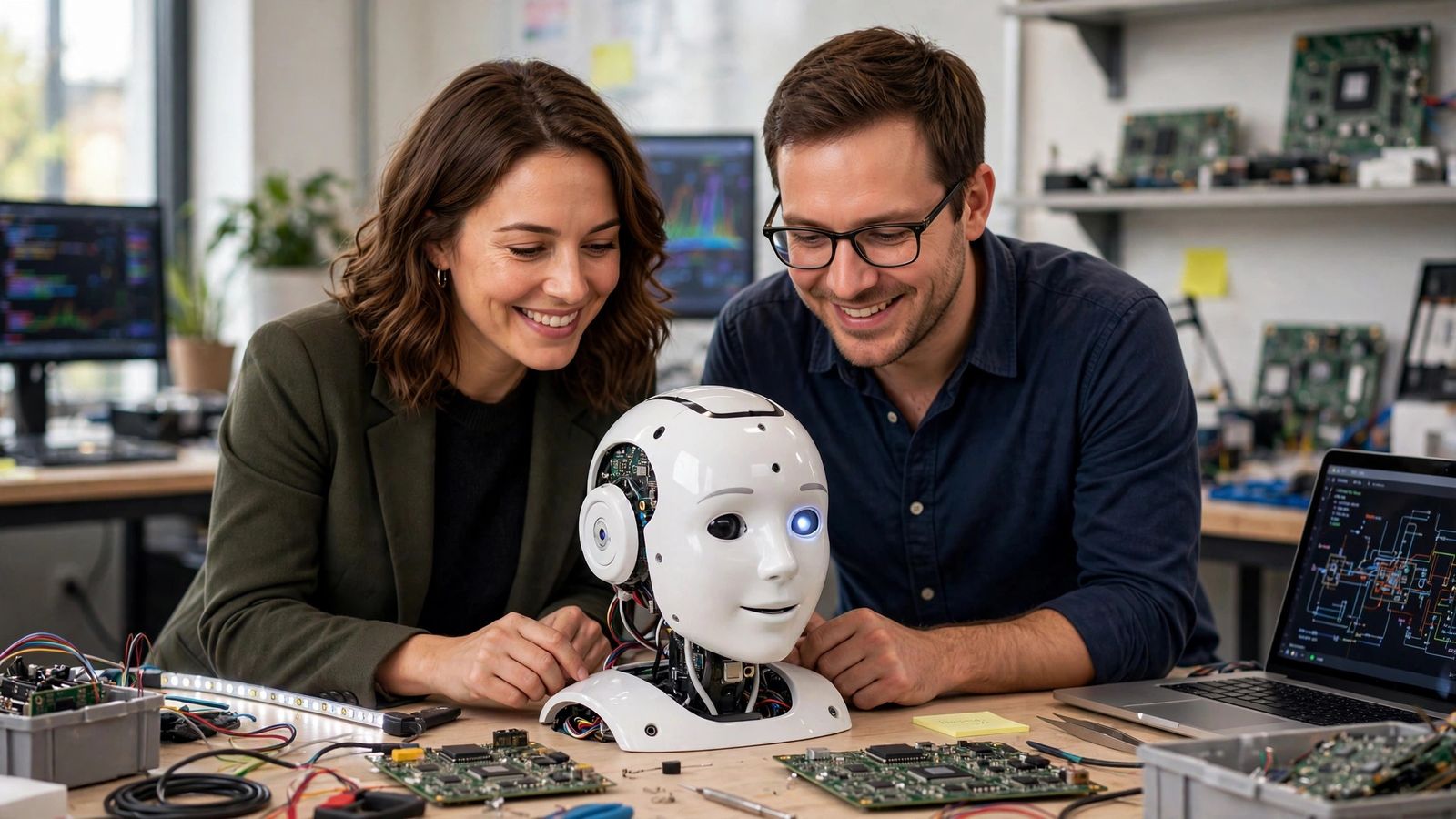
Artificial intelligence (A.I.) often stirs up strong emotions, especially fear. Many worry about job losses, loss of control, or even dystopian futures dominated by machines. These fears are not baseless, but they can shape how society reacts to A.I., sometimes slowing progress or creating unnecessary barriers. Instead of letting fear dictate our path, we can use it as a catalyst to guide responsible innovation and unlock new opportunities. This post explores how fears around A.I. can become real challenges, why embracing A.I. is essential, and how we can view it as a chance to improve our world.
How Fear of A.I. Can Become Reality
Fear influences behavior, and when it comes to A.I., this can have tangible effects on society and innovation.
- Resistance to Adoption
When people fear A.I., they may resist adopting new technologies. This slows down progress in fields like healthcare, education, and environmental science where A.I. can offer huge benefits. For example, hesitation to use A.I.-powered diagnostic tools can delay early detection of diseases.
- Policy and Regulation Challenges
Fear can lead to overly strict regulations that stifle innovation. While regulation is necessary to ensure safety and ethics, excessive restrictions may prevent useful A.I. applications from reaching the public. Balancing caution with openness is key.
- Job Market Anxiety
Concerns about automation replacing jobs can create social unrest and reduce investment in A.I. development. This fear can also discourage workers from learning new skills, limiting their ability to adapt to changing job demands.
- Misinformation and Myths
Fear often grows from misunderstandings. Myths about A.I. taking over the world or making humans obsolete can spread quickly, shaping public opinion negatively. This can lead to distrust and rejection of beneficial technologies.
These fears, if unchecked, can slow down the positive impact A.I. could have on society. Recognizing and addressing them helps prevent these fears from becoming self-fulfilling prophecies.
Why Embracing A.I. Is Essential for the Future
A.I. is already transforming many aspects of life, and its influence will only grow. Embracing it thoughtfully offers several advantages:
- Improved Efficiency and Productivity
A.I. can handle repetitive tasks, analyze large datasets, and optimize processes, freeing humans to focus on creative and strategic work. This leads to faster innovation and better outcomes in industries from manufacturing to research.
- Enhanced Problem Solving
Complex problems like climate change, disease outbreaks, and resource management benefit from A.I.’s ability to process vast amounts of information and identify patterns humans might miss.
- Personalized Experiences
A.I. enables personalized learning, healthcare, and customer service, improving satisfaction and results. For example, adaptive learning platforms tailor education to individual student needs, boosting success rates.
- New Job Creation
While some jobs may change or disappear, A.I. also creates new roles in development, maintenance, ethics, and oversight. Preparing the workforce with relevant skills ensures people can thrive alongside A.I.
- Global Collaboration
A.I. tools can connect people across borders, breaking down language and cultural barriers. This fosters collaboration on global challenges and drives shared progress.
By embracing A.I., society can harness its power to improve quality of life, drive economic growth, and solve pressing issues.

Viewing A.I. as an Opportunity Rather Than a Threat
Changing how we think about A.I. is crucial. Here are reasons to see it as an opportunity:
- A.I. as a Tool, Not a Replacement
A.I. works best when augmenting human abilities, not replacing them. It can assist doctors, teachers, and artists, enhancing their work rather than making them obsolete.
- Driving Innovation Across Fields
A.I. accelerates discovery in science, medicine, and technology. For example, A.I. helped identify potential COVID-19 treatments faster than traditional methods.
- Supporting Inclusion and Accessibility
A.I. can help people with disabilities through speech recognition, vision assistance, and more, making society more inclusive.
- Encouraging Lifelong Learning
The rise of A.I. motivates individuals to develop new skills and adapt, fostering a culture of continuous growth.
- Economic Growth and New Markets
A.I. opens new business opportunities and markets, from smart home devices to personalized healthcare solutions.
Seeing A.I. as a partner rather than a rival helps unlock its full potential.
Creating Dynamic Visuals to Complement the Message
Visuals can make complex ideas about A.I. easier to understand and more engaging. Here are ways to create visuals that support this message:
- Infographics
Use infographics to show statistics about A.I. adoption, job market changes, or benefits in healthcare. Clear charts and icons help readers grasp key points quickly.
- Animated Videos
Short animations can explain how A.I. works or illustrate scenarios where A.I. improves daily life. Storytelling through video makes the content relatable.
- Interactive Visuals
Interactive timelines or maps showing A.I. development milestones or global impact can engage readers actively.
- Before-and-After Comparisons
Visuals showing tasks before and after A.I. implementation highlight efficiency gains and improvements.
- Case Study Highlights
Visual summaries of real-world examples, such as A.I. in disaster response or education, provide concrete evidence of benefits.
Combining these visuals with clear, encouraging text helps readers overcome fear and see A.I.’s promise.
Practical Steps to Embrace A.I. Fear and Foster Opportunity
To turn fear into a positive force, individuals and organizations can:
- Educate and Inform
Promote accurate information about A.I. capabilities and limitations to reduce myths and misunderstandings.
- Encourage Skill Development
Support training programs that prepare workers for A.I.-augmented roles and lifelong learning.
- Promote Ethical A.I. Use
Develop guidelines and standards that ensure A.I. respects privacy, fairness, and transparency.
- Foster Open Dialogue
Create forums where people can express concerns, ask questions, and participate in shaping A.I. policies.
- Support Innovation with Caution
Balance enthusiasm for new technologies with thoughtful risk assessment and safety measures.
By taking these steps, society can channel fear into thoughtful action that benefits everyone.
The fear surrounding A.I. is understandable but should not hold us back. When we face these fears directly, we can guide A.I. development in ways that protect society and unlock new possibilities. Embracing A.I. as a tool for improvement, learning, and collaboration opens doors to a future where technology and humanity grow stronger together. The next step is to stay informed, stay curious, and participate in shaping how A.I. fits into our world.